
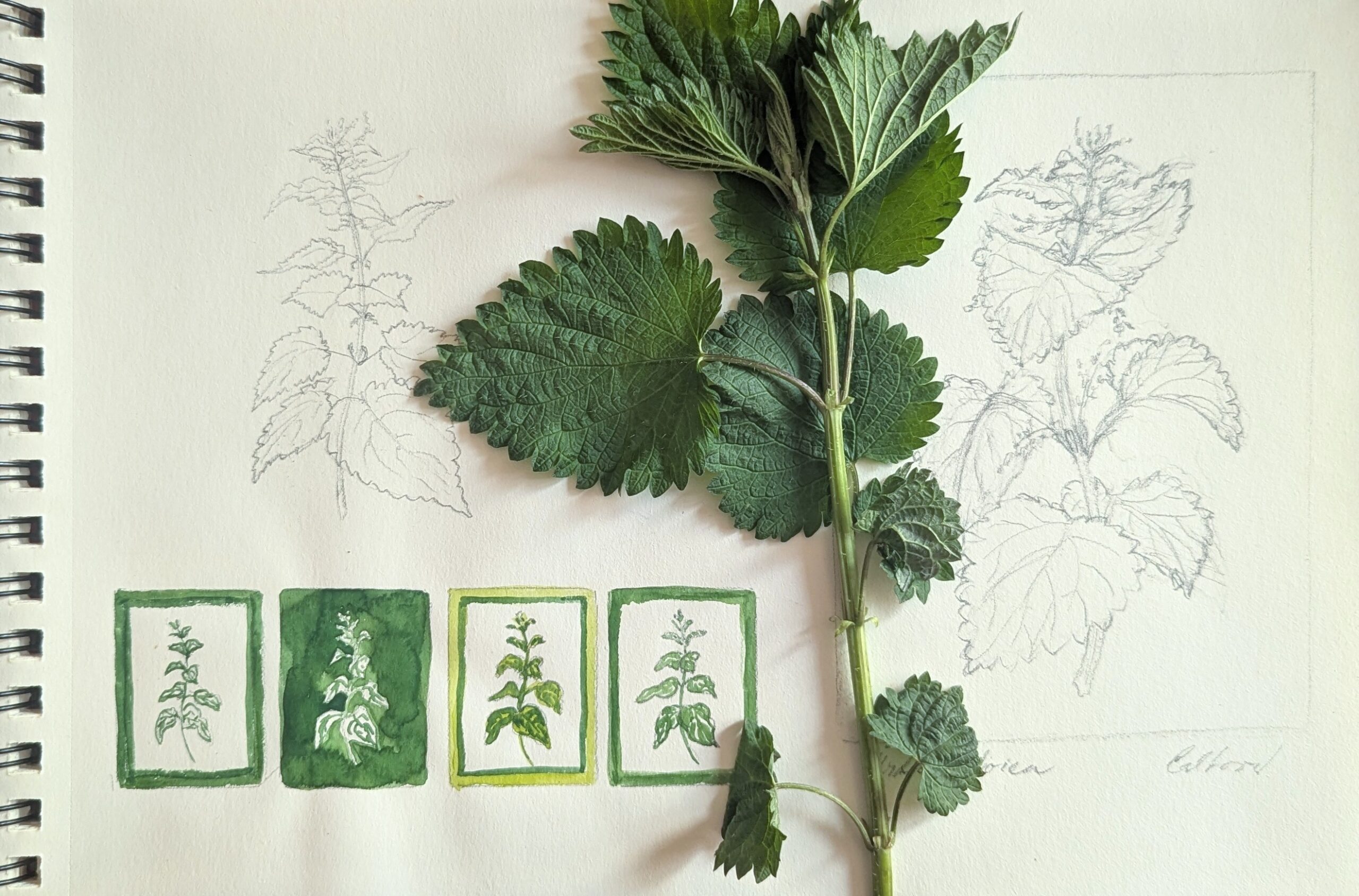
What Is Stinging Nettle?
If you ever came in contact with this plant, you probably hate it for its painful sting. But for centuries, nettle has been used in traditional herbal medicine, nutrition, agriculture, and natural skincare. In fact, it was one of the most valuable medicinal plants found throughout Europe and many other temperate regions of the world. Today, modern research increasingly supports many of its historical uses, particularly for inflammation, urinary health, joint pain, and metabolic support.
Stinging nettle is a perennial plant from the Urticaceae family, usually growing between one and two meters tall. It has sharply toothed green leaves arranged opposite each other along upright stems. The entire plant is covered in tiny stinging hairs that release irritating compounds when touched, causing temporary burning, itching, and swelling. These hairs contain substances such as histamine, serotonin, acetylcholine, leukotrienes, and possibly formic acid. Although uncomfortable, the reaction is harmless and usually fades within several hours (3).
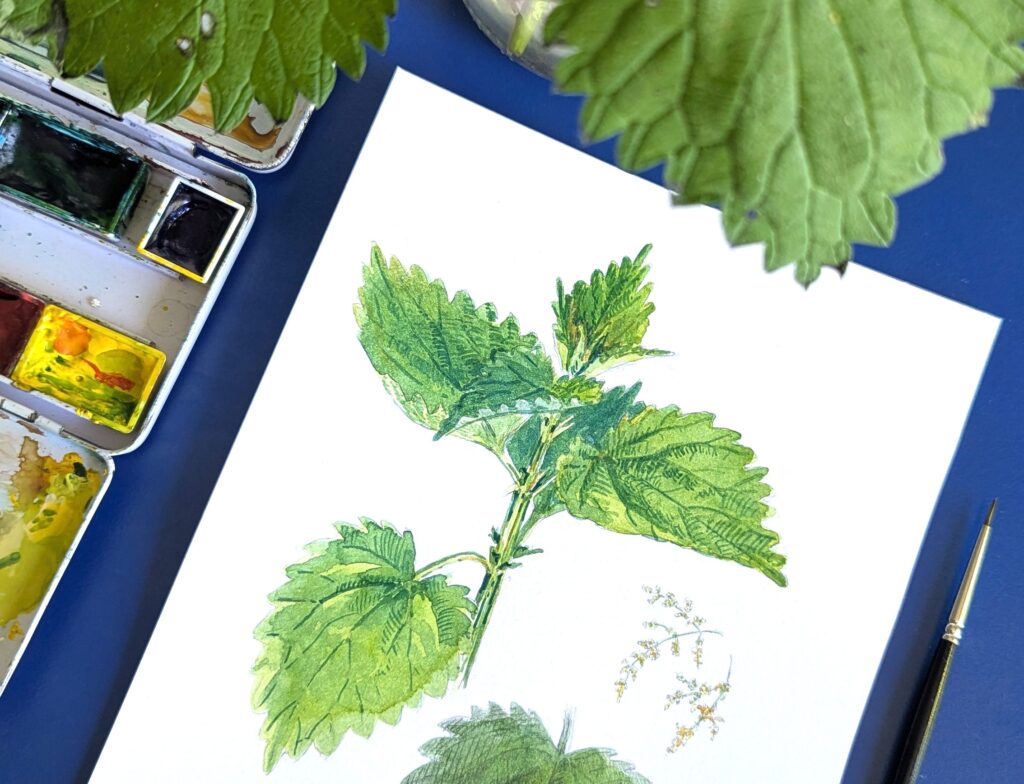
Traditional Medicinal Uses of Stinging Nettle
Historically, nettle was used to support the treatment of allergies, anemia, kidney disorders, urinary tract diseases, arthritis, rheumatism, skin conditions, diabetes, and abnormal menstrual bleeding (1)(2)(3). Contemporary pharmacological studies suggest that nettle possesses antioxidant, anti-inflammatory, antibacterial, antifungal, antiviral, analgesic, hepatoprotective, immunomodulatory, anti-ulcer, and anti-colitis effects (1)(3). Research also points toward potential antiandrogenic and anticancer activity, particularly regarding prostate health (3).
Nutritional Profile of Nettle
Despite its defenses, nettle has long been valued as both food and medicine. Young leaves are especially rich in minerals, chlorophyll, carotenoids, amino acids, vitamins, fatty acids, flavonoids, tannins, phytosterols, and other bioactive compounds (1). Because of this nutritional density, nettle became an important spring tonic in many traditional European herbal practices.
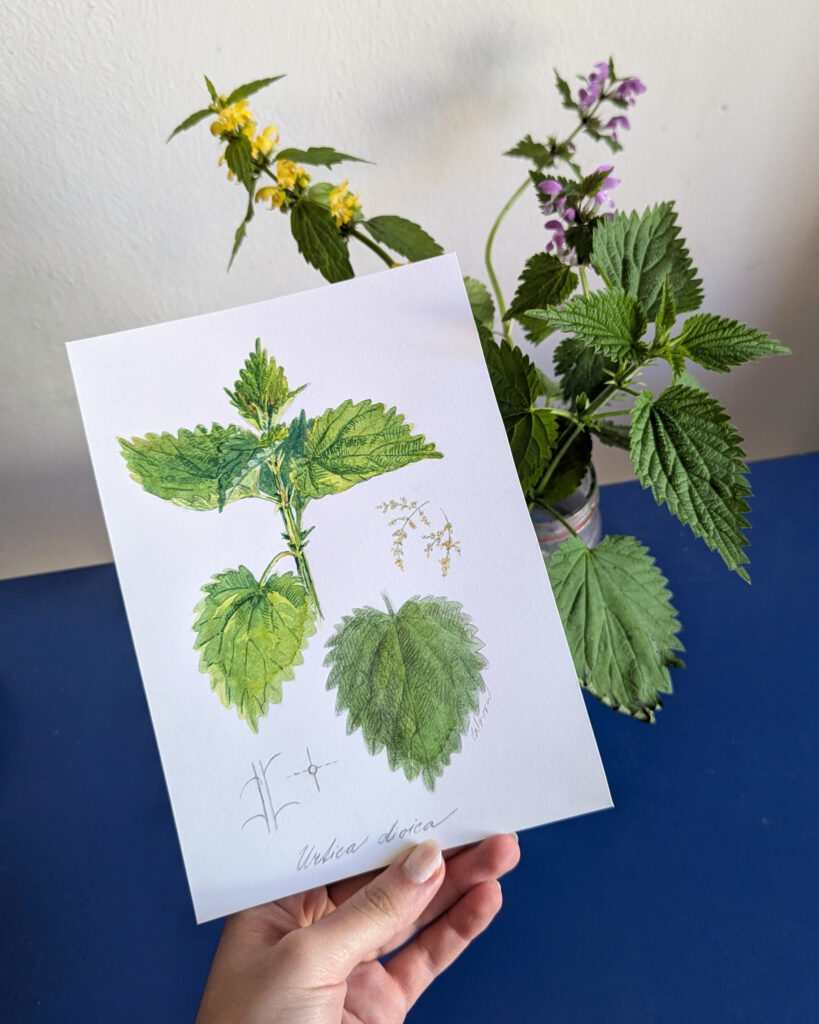
Stinging Nettle for Joint Pain and Inflammation
One of nettle’s most studied traditional uses is the relief of joint and muscular pain. Interestingly, the sting itself appears to play a therapeutic role. The irritation may overstimulate sensory nerves and temporarily interfere with pain signaling, while the plant’s anti-inflammatory compounds help reduce inflammatory responses in tissues (3). Nettle has therefore been traditionally applied directly to painful joints and muscles, a practice known as urtication.
Nettle Benefits for Prostate and Urinary Health
Nettle is also strongly associated with urinary tract and prostate support. Herbal medicine has long used nettle root for symptoms connected to benign prostatic hyperplasia (BPH), including difficulty urinating and frequent nighttime urination. Modern studies support its effectiveness, although the exact mechanisms are still being investigated (4). Nettle may also help support bladder function and relieve lower urinary tract symptoms in women.
Liver Support and Antioxidant Properties of Nettle
Emerging research further highlights nettle’s protective effects on the liver. Experimental studies suggest that nettle extracts may reduce oxidative stress, improve liver enzyme markers, and help protect liver tissue from damage and fibrosis (3). Animal studies additionally showed reductions in cholesterol and LDL levels after nettle administration (3).
Research on Nettle and Cancer Prevention
Another promising area of research concerns nettle’s potential anticancer properties. Studies have shown that extracts from the root and leaves may slow the growth of prostate cancer cells and influence hormone-related enzyme activity connected to tumor development (3). Nettle has also demonstrated protective effects against kidney and liver damage caused by cisplatin, an effective chemotherapy drug used in advanced cancers (3). While these findings remain preliminary, there appears to be a possible benefit in supporting cancer treatment with nettle.
Nettle for Hair Growth and Scalp Care
Beyond internal medicine, nettle remains a popular ingredient in herbal hair care. It is traditionally used against dandruff, seborrhea, and hair loss, often in the form of rinses, tinctures, or infused oils (4).
How to Use Stinging Nettle
As food, nettle is highly versatile. Once blanched or dried, the sting disappears completely, allowing the leaves to be used similarly to spinach. Nettle is commonly prepared in soups, teas, pastries, fillings, and savoury dishes. Herbal tea remains one of the simplest and most accessible ways to use the plant. Depending on the intended purpose, nettle can also be prepared as tinctures or infused oils, since different compounds dissolve better in water, alcohol, or fat.
Harvesting and Safety Considerations
When harvesting nettle, young spring growth is generally preferred because older flowering plants may accumulate higher levels of oxalic acid and nitrogen compounds. It is also important to collect plants only from clean environments, away from roadsides, railways, and polluted soil. Gloves and long sleeves are highly recommended for harvesting, although you could pick the plant with bare hands by carefully gripping the stems without brushing against the hairs.

Habitat and Distribution of Urtica dioica
Stinging nettle thrives in moist, nitrogen-rich soil and commonly grows along forest edges, riverbanks, meadows, and disturbed ground near human settlements. Native to Europe, Asia, northern Africa, and western North America, it is now widespread throughout temperate regions worldwide (2)(4).
Final Thoughts on Stinging Nettle
Few plants embody the relationship between defence and healing as clearly as nettle. Beneath its sting lies a remarkably nourishing and medicinal species deeply rooted in both traditional herbal knowledge and modern phytotherapy research. Nettle also remains an inspiring subject in botanical art because it challenges the viewer to reconsider beauty in overlooked plants.
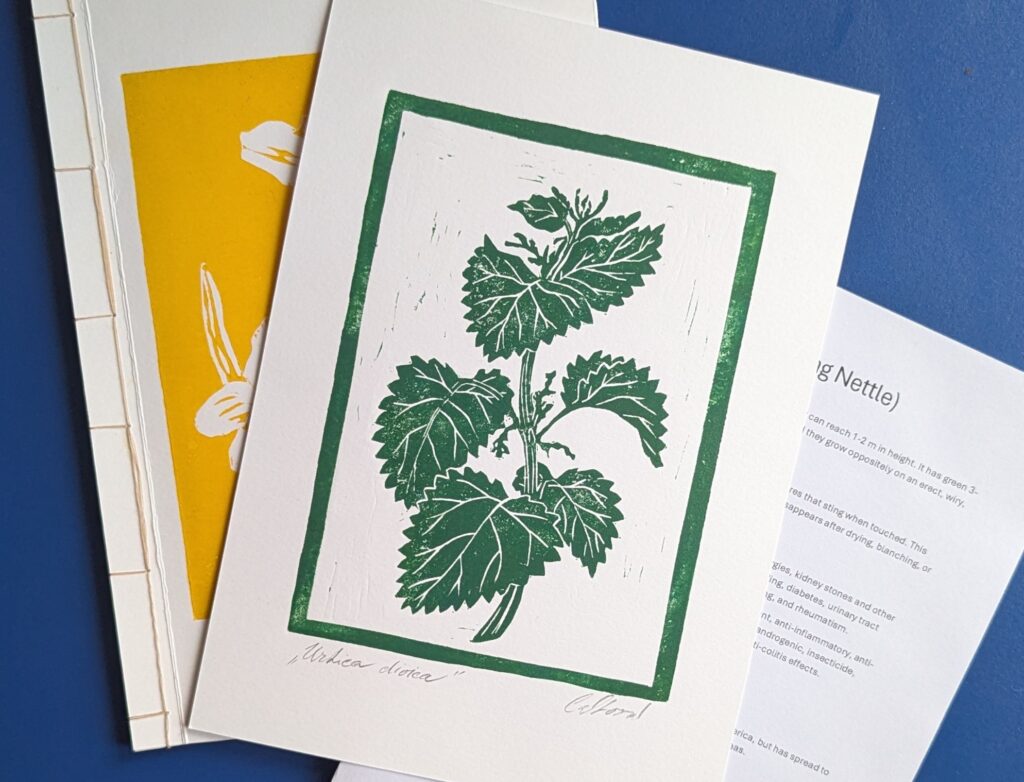
Did you like my dive into the medicinal properties of nettle? Subscribe to the monthly newsletter to get notified of upcoming posts!
Sources:
(1) “A REVIEW ON URTICA DIOICA L.” 2017. WORLD JOURNAL OF PHARMACY AND PHARMACEUTICAL SCIENCES 2017 (Volume 6, 10, 404-421). https://www.researchgate.net/profile/Amit-Sharma-239/publication/352854600_A_REVIEW_ON_URTICA_DIOICA_L/links/60dcb314a6fdccb745f83a8c/A-REVIEW-ON-URTICA-DIOICA-L.pdf.
(2) Dar, Sabzar Ahmad, Farooq Ahmad Ganai, Abdul Rehman Yousuf, Masood-ul-Hassan Balkhi, Towseef Mohsin Bhat, and Poonam Sharma. 2013. “Pharmacological and Toxicological Evaluation of Urtica Dioica.” Pharmaceutical Biology 51 (2): 170–80. doi:10.3109/13880209.2012.715172. https://www.tandfonline.com/doi/full/10.3109/13880209.2012.715172#d1e225
(3)“Phytochemistry and pharmacologic properties of Urtica dioica L.” 2012. Journal of Medicinal Plants Research 6(46), pp. 5714-5719. https://journal-backups.lon1.digitaloceanspaces.com/uploads/main/article/article1380714205_Asgarpanah%20%20and%20%20Mohajerani.pdf.
(4) “Phytotherapy in Benign Prostatic Hyperplasia.” 2018. Academic Press 2018: 135-175. https://www.sciencedirect.com/science/chapter/edited-volume/abs/pii/B978012811397400007X or https://www.sciencedirect.com/topics/biochemistry-genetics-and-molecular-biology/urtica-dioica.


